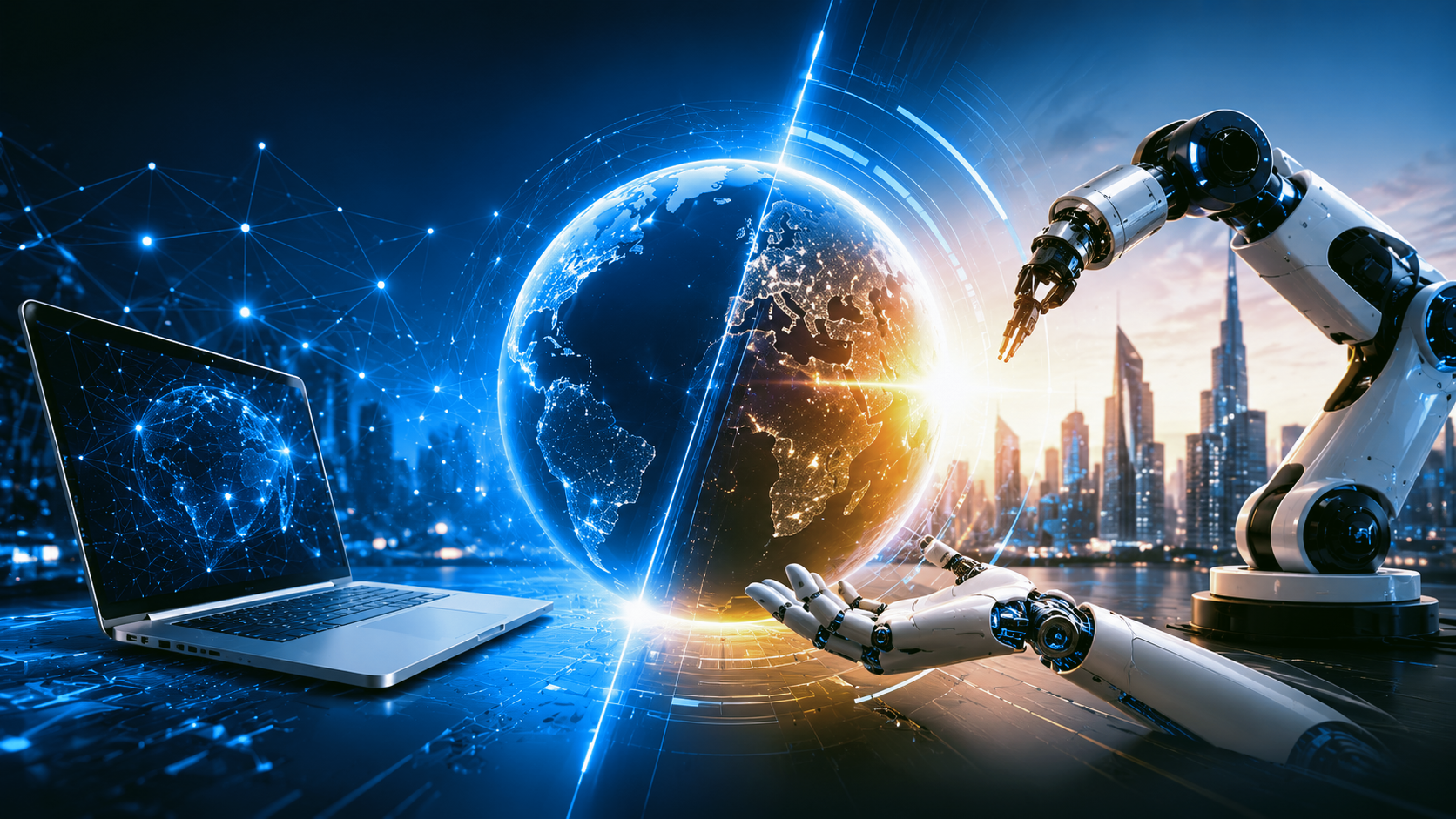

Artificial Intelligence is changing the internet faster than ever. In 2026, a new concept called AI Memory Web is beginning to shape the future of digital experiences. Instead of treating users like strangers on every website, AI Memory Web helps websites remember your preferences, interests, and context with your permission.
This technology goes beyond traditional cookies and personalization systems by creating a secure, privacy-focused memory layer between users and AI-powered services.
What is AI Memory Web?
AI Memory Web is a next-generation internet concept where AI stores contextual memories instead of simple browsing history. It remembers information such as your preferred language, favorite content categories, shopping interests, learning style, and work preferences.
The key difference is that users control what AI remembers and what it shares across supported websites and applications.
For example:
- A travel website remembers that you enjoy mountain destinations.
- An online shopping site remembers your preferred clothing size and style.
- A learning platform remembers how you like to study and adjusts lessons automatically.
Everything works only after receiving your permission.
How AI Memory Web Works
AI Memory Web operates through three intelligent layers:
1. Memory Capture
AI securely stores important user preferences and settings after permission is granted.
2. Context Intelligence
The system combines current activity with saved preferences to provide smarter recommendations and responses.
3. Permission Layer
Users decide which websites or apps can access specific memories, giving complete control over privacy.
Key Features of AI Memory Web
Personalized AI Experience
Every website can adapt its interface and recommendations based on your interests.
Privacy-First Design
Your memories remain protected, encrypted, and controlled by you instead of being freely shared.
Cross-Platform Intelligence
AI can understand your preferences across multiple websites without repeatedly asking for the same information.
Faster Digital Experience
Less typing, fewer forms, and more relevant results save both time and effort.
Real-World Applications
| Industry | AI Memory Web Use |
|---|---|
| Education | Personalized lessons based on learning speed and interests. |
| Healthcare | AI remembers health preferences for customized recommendations. |
| E-commerce | Smarter product suggestions based on shopping behavior. |
| Travel | Personalized destination, hotel, and activity recommendations. |
| Productivity | AI assistants remember workflows, writing style, and daily tasks. |
AI Memory Web vs Traditional Internet
| Traditional Web | AI Memory Web |
|---|---|
| Uses cookies. | Uses contextual AI memory. |
| Repeatedly asks for information. | Remembers preferences with permission. |
| Limited personalization. | Deep AI-driven personalization. |
| Separate experiences across websites. | Connected experiences across supported platforms. |
Benefits
- More personalized browsing experience.
- Faster access to relevant content.
- Less repetitive data entry.
- Smarter AI assistants across multiple platforms.
- Better user control over digital identity.
Challenges and Privacy Concerns
AI Memory Web also introduces important challenges.
- Users need clear permission controls.
- Memory sharing must remain transparent.
- Strong encryption is essential to protect personal information.
- Governments and technology companies will need new privacy standards.
The Future of AI Memory Web
Between 2026 and 2028, AI Memory Web could become the foundation of the next generation of browsers and AI assistants.
Possible future developments include:
- AI browsers with persistent memory.
- Personal AI assistants that work across websites.
- Context-aware search engines.
- AI-powered digital identity replacing traditional login methods.
AI Memory Web represents a major shift in how people interact with the internet. Instead of websites collecting scattered data, AI builds a secure memory system that works for users not against them.
As AI becomes more integrated into everyday life, technologies like AI Memory Web may define the future of a smarter, faster, and more personalized web experience.